
Grow & Heal with Music Therapy for Autism in Austin, TX
Creative Arts and Music Therapy for Autism in Austin, TX
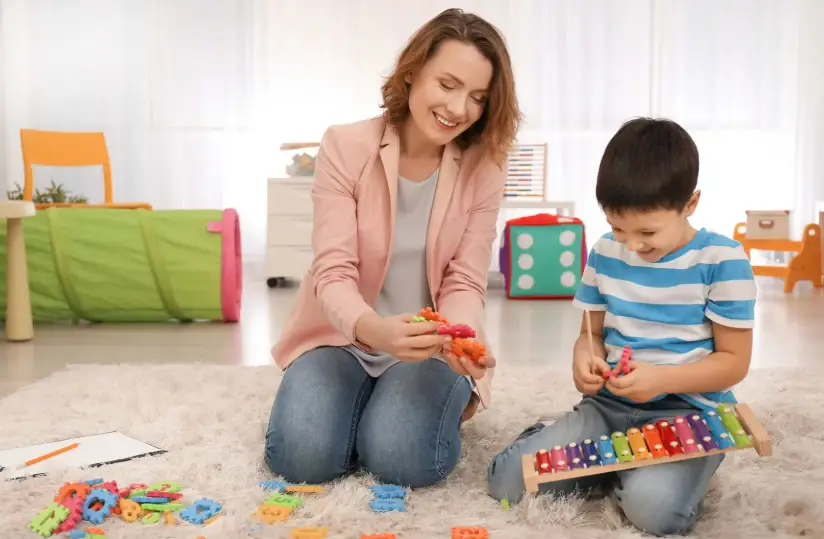
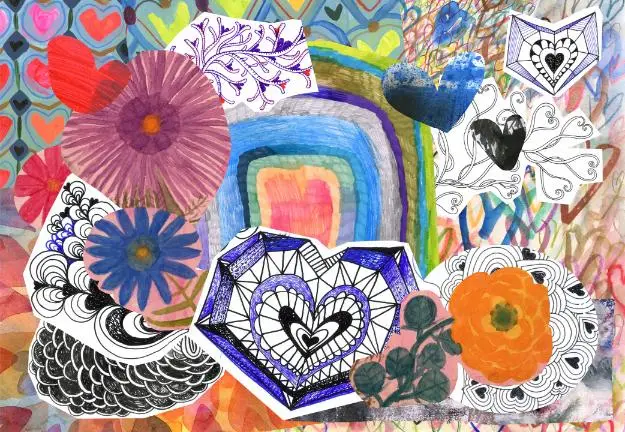


At Integrative Creative Therapy, we believe in honoring the strengths and uniqueness of every autistic individual. Our trauma-informed and neurodivergent-affirming approach creates a safe environment where you can explore emotions, process past experiences, and cultivate new skills. Through music therapy for autism, we use music, art, and movement to support growth in ways that feel natural and empowering.
By engaging more than just words, we help you bypass the barriers that often arise in traditional talk therapy. This sensory-friendly, flexible method supports self-discovery and emotional expression. It also respects the many ways you may communicate and learn, whether you prefer structured activities, improvisation, or something in between.
Why Music Therapy for Autism?
Our music therapy for autism blends evidence-based techniques with artistic exploration. We tailor sessions to address your personal goals, whether that involves building social skills or managing transitions. Because music has a natural rhythm and structure, it can help reduce anxiety and offer a space for authentic self-expression.
Musical experiences are also a powerful way to connect with yourself and others. The safe container of a session can help you process difficult emotions without feeling overwhelmed. When combined with the other creative modalities we offer, music therapy becomes a versatile pathway to stress reduction, improved communication, and a deeper sense of self-awareness.
How Music Therapy Supports Autistic Growth and Connection

Individualized Support for All Ages
We work with autistic individuals across the lifespan, offering personalized care that honors your unique way of being in the world. Our services include:
Individual Therapy
Adults often carry stress, trauma, or generational burdens that linger for years. Our one-on-one sessions incorporate creative techniques and somatic strategies to help you move forward at your own pace.
Child Therapy (4+)
Through playful and engaging arts-based activities, children learn to express emotions, manage sensory sensitivities, and find constructive ways to cope with challenges.
Teen Therapy
Adolescence is a time of identity exploration, increased social pressures, and heightened emotional experiences. Creative Arts Therapy helps teens regulate emotions, build confidence, and embrace their individuality.
Group Therapy
Sometimes the healing process feels stronger in a supportive group. By creating art or music together, participants share experiences, learn from one another, and form meaningful connections.
Sensory Processing Support Through Music
For autistic children, sensory experiences can feel intense, unpredictable, or overwhelming. Music offers a structured, gentle way to engage with sound, rhythm, and movement that honors how their nervous system processes the world, creating space to explore sensory input at their own pace without feeling flooded.
In our sessions, we support sensory processing by:
- Using collaborative music making to foster self-expression and build connection.
- Using rhythms and playing on different instruments to enhance impulse control, gross and fine motor skills, and hand-eye coordination.
- Using instruments that offer tactile, visual, and auditory input in ways that feel grounding rather than overwhelming
- Enhancing emotional regulation by singing and breath work through simple wind instrument playing.
- Support speech development and learning through rhythm and melodies.
- Supporting transitions and shifts between activities through musical cues.
- Improve socialization through interactive music making
Communication and Connection Through Rhythm
Many individuals with autism find verbal communication challenging or exhausting. Music creates opportunities for connection that don’t rely on words, offering a language built on rhythm, melody, and shared experience that feels more accessible and authentic.
Music therapy supports communication by:
- Creating shared musical experiences that build connection without requiring eye contact or verbal exchange
- Using call-and-response patterns that honor your natural way of engaging
- Offering instruments and sounds as tools for self-expression beyond words
- Building trust through musical attunement, where the therapist follows your lead and mirrors your energy
- Creating space for you to communicate what matters through improvisation, movement, or sound
Emotional Regulation With Sound
For neurodivergent individuals, emotions can feel intense, hard to name, or difficult to manage. Music provides a container for emotional expression that feels safer than talking, offering structure and release.
In our work together, music supports emotional regulation through:
- Rhythmic grounding that helps your nervous system settle when overwhelm takes over
- Musical improvisation that allows you to express what you’re feeling without needing to find the right words
- Creating sonic landscapes that match your internal state, helping you feel seen and understood
- Using melodies and harmonies to shift emotional energy gently, moving from activation to calm
- Building awareness of how music affects your mood, giving you tools to regulate between sessions
Supporting Growth Across Developmental Stages
Music therapy adapts to meet you where you are, whether you’re a young child learning to navigate the world or an adult building new skills and connections. We honor your developmental journey without trying to force you into neurotypical expectations.
Our approach supports growth by:
- Meeting you at your current developmental stage rather than pushing toward arbitrary milestones
- Using music to build skills like turn-taking, waiting, listening, and coordination
- Creating opportunities for mastery and competence through instruments and musical exploration
- Supporting identity development and building confidence through creative expression
Music as a Bridge to Authentic Self-Expression
Many neurodivergent individuals have rich inner worlds that are hard to communicate through traditional means. Music therapy honors your unique perspective, offering creative pathways to share who you are without having to translate yourself into neurotypical language.
We create space for authentic expression through:
- Improvisation that allows you to communicate your experience without judgment or correction
- Songwriting and composition that help you explore identity, values, and what matters most to you
- Musical play that honors your interests, whether that’s exploring patterns, experimenting with timbre, or creating complex rhythmic structures
- Co-creating musical experiences that reflect your strengths, preferences, and way of being in the world
- Building confidence in your voice, whether that’s literal singing or the metaphorical voice of who you are

Ways Music Therapy Honors Your Unique Way of Being
How Music Therapy Supports Neurodivergent Growth
Transform Struggle Into Authentic Expression
- Feeling overwhelmed by sensory input and unpredictable environments
- Struggling to communicate needs and emotions without words
- Experiencing meltdowns or shutdowns when regulation feels impossible
- Carrying the weight of being misunderstood or expected to mask
- Navigating a world that wasn't built for neurodivergent ways of being
Go From:
- Finding regulation through rhythm, sound, and predictable musical structure
- Expressing yourself authentically through improvisation and creative music-making
- Building connection and communication in ways that honor how you process the world
- Experiencing safety in your body and nervous system through music therapy
- Discovering your strengths and celebrating your unique way of being
To This:

Meet Our Therapists for Autism in Austin
Music Therapy Rooted in Neurodivergent-Affirming Care
Between us, we hold decades of training in music therapy, neurodivergent care, and trauma-informed practice. We each bring our own strengths and perspectives, creating space where autistic individuals can explore, heal, and express themselves authentically.
Wen Chang, LCAT, MT-BC
Licensed Creative Arts Therapist and Board-Certified Music Therapist
Wen creates spaces where healing happens through music, art, and somatic awareness. Her trauma-informed approach honors the sacred work of reconnecting with your authentic self. Qualifications and Specializations:- 15+ years of experience in music therapy and creative arts therapy
- EMDR Certified Therapist
- Board-Certified Music Therapist (MT-BC)
- Licensed Creative Arts Therapist (NY)
- Bilingual services in Mandarin
- Somatic Experiencing training
- Internal Family Systems (IFS) training
- Cultural competency with Asian-Americans and immigrants
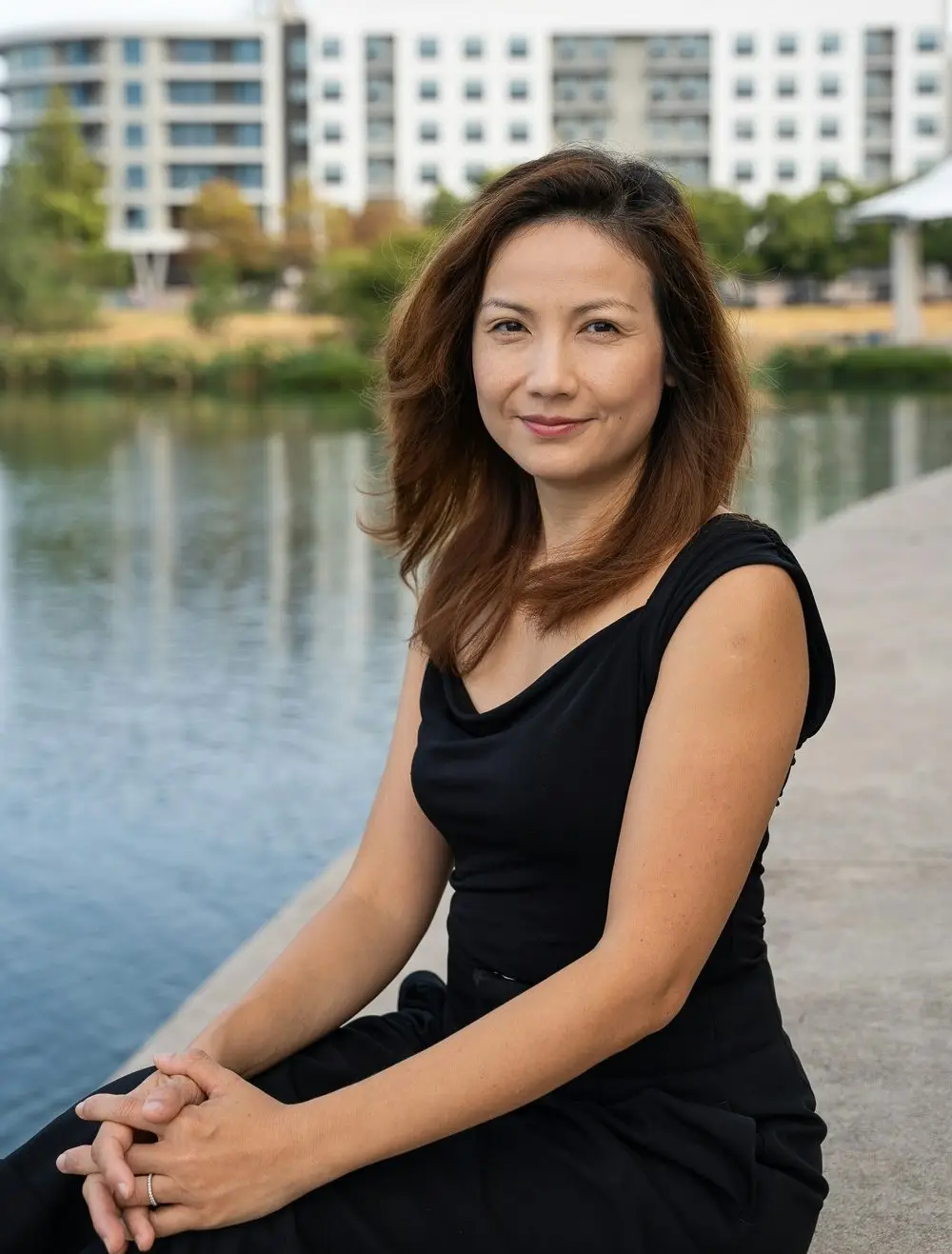
Gabriel Lit, MA, MT-BC
Board-Certified Music Therapist
Gabriel brings music therapy to neurodivergent individuals through improvisation, song creation, and rhythmic activities. His approach supports sensory integration, emotional regulation, and communication in ways that honor each person’s unique expression. Qualifications and Specializations:- MA, Music Therapy
- Board-Certified Music Therapist (MT-BC)
- Neurodivergent-affirming care specialist
- Geriatrics and dementia care specialist
- Traumatic Brain Injury rehabilitation
- Home visits
Our Approach to Healing
At Integrative Creative Therapy, we go beyond traditional talk therapy by engaging you cognitively, somatically, emotionally, and creatively. Our role isn’t to “fix” you, but to help you unburden past pain, expand your emotional capacity, and connect to your healthiest core.
This approach is powerful for anyone who feels restricted by language-heavy methods, as it opens up pathways for deeper healing.
We’ve spent over 20 years developing trauma and neurodivergence-informed care using EMDR (only in New York), IFS, somatic work, and Creative Arts Therapy. We believe that everyone has the ability to heal when they feel safe and accepted.
Our goal is to create that safety by honoring your lived experiences, adapting our sessions to your needs, and acknowledging that each step forward is a significant milestone.
How Music Therapy Honors Neurodivergent Ways of Being
Music Therapy Can Be Especially Helpful If You're:
- Autistic or neurodivergent and seeking support that honors how you process the world
- Navigating developmental disabilities, learning disabilities, or cognitive differences
- Experiencing speech delay, language delay, or communication challenges
- Finding traditional talk therapy limited or inaccessible
- Seeking creative expression and individualized support tailored to your needs
- Healing from trauma, anxiety, or sensory overwhelm
- Looking for therapeutic activities that engage with music and support emotional regulation
- A parent seeking music therapy for children with autism, ADHD, or other neurodevelopmental differences
Who Music Therapy Supports
Serving Austin, Texas, and Beyond
At Integrative Creative Therapy, our music therapy services for autism are conveniently located in the Mueller Community area, easily accessible from Windsor Park, University Hills, and East MLK neighborhoods. We welcome autistic individuals and families throughout Austin, TX, and the surrounding areas.
Serving Austin, Texas, and Beyond
Areas We Serve
We serve people throughout Downtown, University Hill, Westcott, Eastwood, Near Eastside, Northside, Southside, Strathmore, and surrounding Austin neighborhoods.
Getting Here
Our office is located near Thinkery and the Mueller Market District, accessible via Airport Blvd, Manor Rd, and Simond Ave. Public transportation is available through CapMetro Commuter Rail & Buses, with convenient parking options including the McBee District Parking Garage and on-street metered parking.
Session Options
- In-person sessions at our Austin office
- Online therapy throughout Texas
- Virtual sessions for individuals who prefer remote support
Whether you’re looking for neurodivergent-affirming care close to home or prefer the flexibility of online sessions, we’re here to support your journey.


Begin Your Healing Journey Today
We know it can be intimidating to take that first step toward healing, especially when you’ve tried other approaches or felt unheard. Our goal is to provide a nurturing space where your unique needs are honored and where creativity thrives. We invite you to explore our trauma-informed and neurodivergent-affirming therapy, whether you prefer music, art, or a blend of different modalities.
Music therapy for autism in Austin, TX, offers a pathway to growth, connection, and authentic self-expression. We’re here to walk alongside you every step of the way. If you’re ready to explore how music therapy can support you or your loved one, we invite you to reach out.
Contact Integrative Creative Therapy at (737) 307-1853 to schedule a session or learn more about how we can help. Our team is here to support you in finding greater balance, self-expression, and connection. We look forward to walking this path with you as we uncover new ways to heal and grow together.

Frequently Asked Questions About Music Therapy for Autism
What exactly does a music therapist do?
A music therapist uses music as a tool to support emotional, cognitive, social, and physical goals. It’s not about teaching you to play an instrument or perform. It’s about using music’s natural structure and expressiveness to help you connect with yourself and others in ways that feel authentic.
How Music Therapy Works
Music therapists create experiences tailored to your needs. This might involve improvising on instruments, moving to rhythm, singing, actively listening to music of your choice, or creating songs together. The focus is always on what serves your goals, whether that’s building communication skills, managing sensory input, or processing emotions.
For autistic individuals, music therapy can feel particularly natural. Music offers predictability through rhythm and structure, while also allowing for creativity and self-expression. It engages multiple senses without requiring verbal communication, which can make it more accessible than traditional talk therapy.
What Makes It Therapeutic
At Integrative Creative Therapy, our board-certified music therapists in Austin, TX, understand how to use music intentionally. We’re trained in neurodivergent-affirming practices and trauma-informed care. Music becomes a bridge to regulation, connection, and growth in ways that honor how you process the world.
Why is music such good therapy?
Music engages the brain in unique ways. It activates areas involved in emotion, memory, movement, and cognition all at once. This makes it a powerful tool for supporting growth across multiple domains.
Why Music Resonates
For many autistic individuals, music feels inherently meaningful. It has structure and predictability, which can be regulating. It also allows for emotional expression without needing to find the right words. You can communicate through rhythm, melody, and sound in ways that feel true to how you experience the world.
Music also bypasses some of the social pressures that can make other interactions challenging. There’s no expectation to make eye contact, read facial expressions, or navigate complex social rules. You can simply be with the music and with yourself.
How It Supports Neurodivergent Strengths
Music therapy honors the strengths many autistic people already have… pattern recognition, attention to detail, deep engagement with sensory experiences. Rather than trying to change who you are, music therapy builds on what’s already working.
At Integrative Creative Therapy, we use music therapy in Austin to support sensory regulation, emotional processing, and authentic connection. We recognize that healing happens when you feel truly seen and when approaches honor your unique way of being.
Who does music therapy help the most?
Music therapy can support anyone, but it’s particularly effective for people on the Autism spectrum, individuals with sensory processing differences, and those who find traditional talk therapy limiting.
Who Benefits from Music Therapy
Music therapy helps people who:
- Process information through sound, rhythm, and movement
- Struggle with verbal communication or find words inadequate
- Need support with sensory regulation and emotional overwhelm
- Experience anxiety, depression, or trauma responses
- Want to build social skills in a low-pressure environment
- Have difficulty with transitions or managing change
- Feel disconnected from their bodies or emotions
Why Autistic Individuals Respond Well
Many people on the Autism Spectrum have a natural affinity for music. Music therapy builds on these strengths rather than focusing on deficits.
Music also provides a predictable framework, which can feel safe and regulating. Within that structure, there’s space for improvisation, creativity, and authentic expression.
How We Support Different Needs
At Integrative Creative Therapy, we tailor music therapy to each person’s goals. Whether you’re a child learning to navigate sensory experiences, a teen building social connections, or an adult processing trauma, we use music in ways that honor your pace and your preferences.
When should music therapy be used?
Music therapy can be helpful at any stage of life and for many different reasons. There’s no single “right time” to start, but certain situations make it particularly valuable.
When to Consider Music Therapy
Music therapy might be especially helpful when:
- Traditional talk therapy feels inaccessible or unhelpful
- You’re navigating a transition (new school, new job, big life change)
- Sensory overwhelm is affecting daily life
- You’re working through trauma or difficult emotions
- Communication challenges are creating barriers
- You want to build social skills without the pressure of typical social settings
- You’re seeking creative outlets for self-expression
Starting at Any Age
Music therapy works for children, teens, and adults. Younger children might engage through play-based musical activities. Teens might explore identity and emotion through songwriting or improvisation. Adults might use music to process trauma, manage stress, or reconnect with themselves.
How Early Intervention Helps
For neurodivergent children, starting music therapy early can support communication, social engagement, and emotional regulation during critical developmental windows. But it’s never too late to benefit. Adults often find that music therapy opens pathways that other approaches couldn’t reach.
At Integrative Creative Therapy, we work with neurodivergent individuals across the lifespan. Music therapy in Austin, TX, is available for anyone seeking neurodivergent-affirming support that honors your unique strengths and needs.
Is music therapy just listening to music?
No. While listening to music can be part of music therapy, it’s much more active and intentional than simply putting on a playlist.
What Music Therapy Actually Involves
Music therapy is an interactive process.
You might:
- Play instruments (no musical experience required)
- Improvise together with the therapist
- Create songs or soundscapes
- Move to the rhythm or engage in music and movement
- Use music to explore emotions, memories, or experiences
- Practice communication through musical interaction
The therapist guides these experiences based on your specific goals. Every choice… what instrument, what tempo, what activity… is made intentionally to support what you’re working toward.
Why Active Participation Matters
Engaging with music rather than just listening creates opportunities for agency, choice, and self-expression. You’re not a passive recipient. You’re actively shaping the musical experience, which builds confidence and supports emotional regulation.
For individuals on the Autism spectrum , this can be particularly powerful. You get to lead. You get to make choices without needing to explain them verbally. The music becomes a language you’re fluent in.
How It’s Different from Just Enjoying Music
Listening to music you love is valuable, and many people find it relaxing or comforting. But music therapy goes deeper. It’s guided by a trained professional who understands how to use music to support specific therapeutic goals, whether that’s building social skills, processing trauma, or improving sensory regulation.
At Integrative Creative Therapy, our music therapists create experiences tailored to you. We honor what music already means to you while using it intentionally to support your growth and well-being.
What kind of music is used in music therapy?
There’s no single type of music used in music therapy. The music is chosen based on what serves you, your goals, and your preferences.
Choosing Music That Resonates
Music therapists might use:
- Music you already love and connect with
- Improvised music created in the moment
- Simple rhythmic patterns or melodies
- Songs from different cultures or genres
- Music specifically chosen for its tempo, structure, or emotional quality
The key is that the music feels meaningful and supportive to you. If you have strong preferences or sensitivities around sound, a good music therapist will honor that.
How Music Is Selected
Music therapists consider several factors when choosing music:
Sensory Needs
Some individuals in the Autism spectrum are sensitive to certain sounds, volumes, or frequencies. We adjust the music to feel comfortable and regulated rather than overwhelming.
Emotional Goals
If you’re working on processing grief, managing anxiety, or building joy, the therapist might choose music that supports those emotional experiences.
Cultural and Personal Connections
Music that reflects your cultural background or personal history can feel particularly meaningful and help build trust in the therapeutic relationship.
Creating Music Together
Often, the most powerful music in therapy is what you create together. Improvising on drums, experimenting with chimes, or humming a melody… these spontaneous moments can be deeply connecting and regulating.
At Integrative Creative Therapy, we bring a wide range of instruments and musical styles to sessions. We follow your lead, creating musical experiences that honor your preferences and support your growth throughout Austin and beyond.
What are the 4 types of music therapy?
Music therapy includes several approaches, but they’re not rigidly separated. Most music therapists blend methods based on what serves each person. That said, there are some common frameworks.
Four Broad Approaches
Receptive Music Therapy
This involves listening to music intentionally, often followed by discussion or reflection. It can help with emotional processing, memory recall, or relaxation.
Active Music Therapy
You actively participate by playing instruments, singing, or creating music. This supports self-expression, motor skills, and emotional regulation.
Improvisational Music Therapy
You and the therapist create music spontaneously together. This builds connection, communication, and emotional attunement without needing words.
Compositional Music Therapy
You create or co-create songs, melodies, or soundscapes. This can be particularly powerful for exploring identity, processing experiences, or building narrative skills.
How These Blend in Practice
In reality, sessions often combine these approaches. You might start by listening to music to ground yourself, then move into improvisation, and finish by creating a simple song together.
For neurodivergent individuals, the blend depends on what feels most accessible and meaningful. Some people love the structure of composing. Others thrive in the freedom of improvisation. We adapt to what works for you.
Neurodivergent-Affirming Music Therapy
At Integrative Creative Therapy, we use music therapy approaches that honor neurodivergent ways of processing. We don’t force eye contact, demand verbal responses, or expect you to engage in ways that feel unnatural. Music becomes a bridge to connection on your terms.
Can I do music therapy at home?
While you can engage with music at home in meaningful ways, music therapy itself requires a trained music therapist. That said, there are strategies you can use between sessions to support your goals.
What You Can Do at Home
You can create a music routine that supports regulation:
- Use specific songs or playlists for different emotional states
- Practice rhythmic breathing or movement to music
- Explore instruments you have access to
- Create a calm-down playlist for sensory overwhelm
- Engage in musical activities that bring you joy
These practices can be grounding and supportive, especially if they’re connected to what you’re working on in therapy.
Why Professional Support Matters
Music therapy involves more than just listening to or making music.
A board-certified music therapist understands:
- How to tailor interventions to specific goals
- How to read nonverbal cues and adjust in the moment
- How to create a therapeutic relationship through music
- How to use music to address trauma, sensory needs, and emotional regulation
A trained therapist also creates safety. They know how to navigate difficult emotions, support you through overwhelm, and hold space for whatever arises.
Home Practice Between Sessions
Your music therapist might suggest specific activities to practice at home.
These might include:
- Using humming or breathing techniques when you’re feeling anxious
- Listening to a calming song before bed
- Using movement and music to help with transitions
- Recording yourself improvising and noticing how it feels
These practices extend the therapeutic work but aren’t a replacement for the sessions themselves.
At Integrative Creative Therapy, we support you in bringing musical strategies into your daily life. Music therapy in Austin offers both in-person and virtual sessions, so you can access care in the way that works best for you.
Does healing music actually work?
Yes, music therapy is evidence-based and supported by research. It’s not about “healing music” in a mystical sense… it’s about how music engages the brain, body, and emotions in ways that support growth and well-being.
What the Research Shows
Studies show that music therapy can:
- Reduce anxiety and stress
- Support emotional regulation
- Improve communication and social skills
- Help with sensory processing and integration
- Support trauma processing and nervous system regulation
- Build connection and reduce feelings of isolation
For individuals on the Autism spectrum specifically, research shows that music therapy can support communication, social engagement, and emotional expression in ways that feel more natural and accessible than other approaches.
How Music Affects the Brain
Music activates multiple areas of the brain simultaneously. It engages emotion, memory, motor control, and sensory processing simultaneously. This makes it uniquely powerful for supporting change and growth.
For people who process the world differently, music can offer a way to connect that doesn’t rely on typical social cues or verbal communication. It meets you where you are.
Why It Works for Neurodivergent Individuals
Many people on the autism spectrum have natural strengths in pattern recognition, attention to detail, and deep sensory engagement. Music therapy builds on these strengths rather than trying to change you.
It also offers structure and predictability, which can feel regulating. Within that structure, there’s space for creativity, self-expression, and authentic connection.
At Integrative Creative Therapy, we’ve seen how music therapy creates meaningful change for autistic individuals in Austin. It’s not magic… it’s intentional, skilled work that honors your unique way of being in the world.