
Therapy for Children in Austin, TX
Integrative Creative Therapy's Music & Creative Arts Therapy for Kids
In Austin, TX | In-person Sessions with Wen Chang-Lit, MA, LCAT, MTBC, C-EMDR

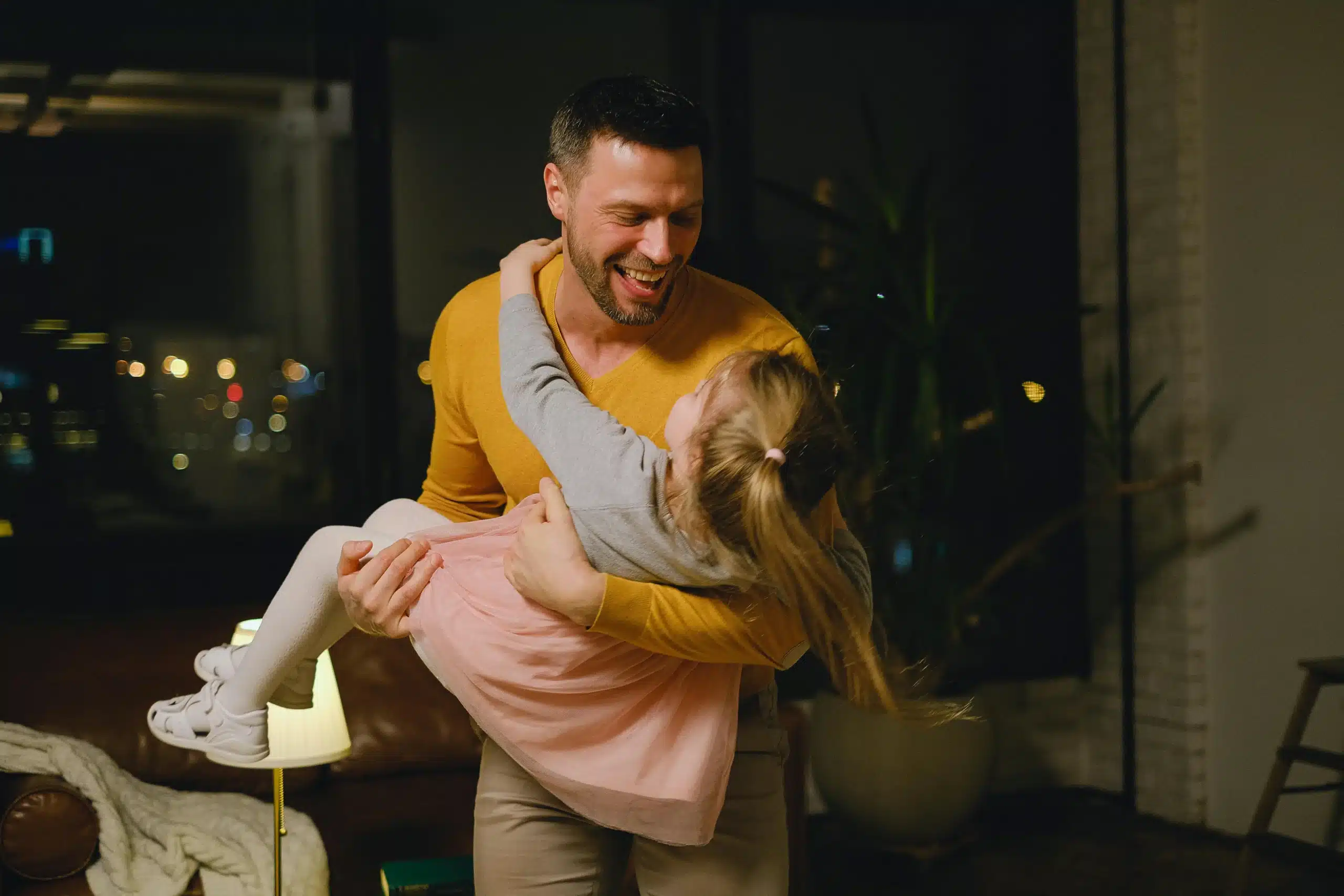

For the child who feels big feelings—and doesn’t always know what to do with them.
Some kids cry easily. Some get angry and don’t know why.
Some are quiet, always trying to be good, while others act out the feelings they can’t name.
As a parent, you may be watching your child struggle—with transitions, relationships, grief, childhood trauma, sensory sensitivities, or anxiety—and wondering how to help.
You want them to feel safe, confident, connected. You want them to be free to be themselves.
But you’re not sure how to reach them. That’s where music and creative arts therapy can help.
Child Therapy May Be a Good Fit If Your Child
- Feels big emotions that are hard to name or manage in the moment
- Gets easily overwhelmed, shuts down, or reacts intensely in daily situations
- Is navigating a big life change like divorce, a new school, loss, or a new sibling
- Struggles with anxiety, worry, or fears that get in the way of everyday life
- Has experienced trauma, including developmental or relational trauma
- Is neurodivergent and often feels misunderstood in traditional settings
- Finds it easier to express through music, art, or movement than through talking
- Needs support that honors their whole experience, not just their behavior
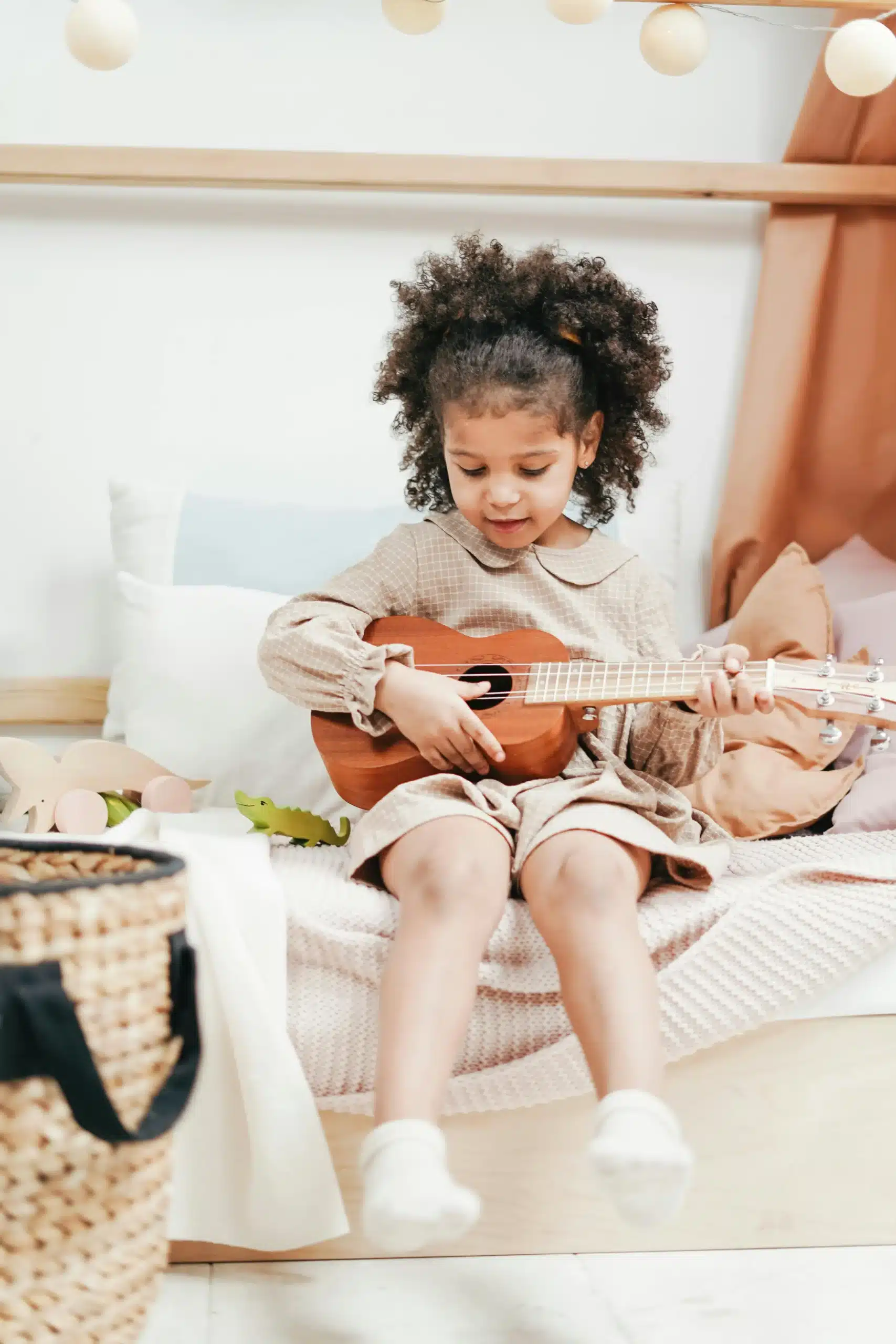


How Child Therapy Can Change What Your Family Carries
- Watching your child struggle with big emotions and not knowing how to help
- Feeling disconnected, even when you are trying hard to reach them
- Carrying worry about transitions, behavior, or experiences your child has been through
- Noticing your child shutting down or acting out without understanding what is driving it
- Wondering if your child truly feels seen and understood
Before therapy for children
- Seeing your child find ways to express what they feel, through music, image, or words
- Noticing your child regulates more easily in difficult moments
- Feeling more connected and less lost in how to support them
- Watching your child build confidence and trust in their own inner world
- Knowing your child has a consistent, safe space that belongs to them
After therapy for children


Mental Health Support for Children
A Gentle Way Into Child Therapy: Music, Rhythm, Play, and Creativity
I work with children who are emotionally sensitive, deeply imaginative, or easily overwhelmed by the world around them. Some are neurodivergent—autistic, ADHD, sensory-seeking, or sensitive—and often feel misunderstood in traditional settings.
Others are navigating big life changes like divorce, adoption, loss, or trauma. Many simply need a space where they don’t have to explain or perform—just be.
Creative arts therapy meets your child where they are. We use music, rhythm, movement, and art to help emotions come out of hiding and find safe, expressive form.
What Happens in a Session?
Each session is guided by your child’s unique way of processing the world.
We might:
- Sing or play simple wind instruments to build emotional regulation
- Play musical games to build rapport and social connection
- Explore feelings through songwriting, singing, playing instruments, drawing, or storytellingg life change like divorce, a new school, loss, or a new sibling
- Use rhythm and movement to support sensory integration and grounding, worry, or fears that get in the way of everyday life
- Create songs or visual rituals to make routines feel safer and more predictable
- Support emotional expression without relying on verbal explanations
- Introduce gentle body-based tools for self-soothing and nervous system regulation
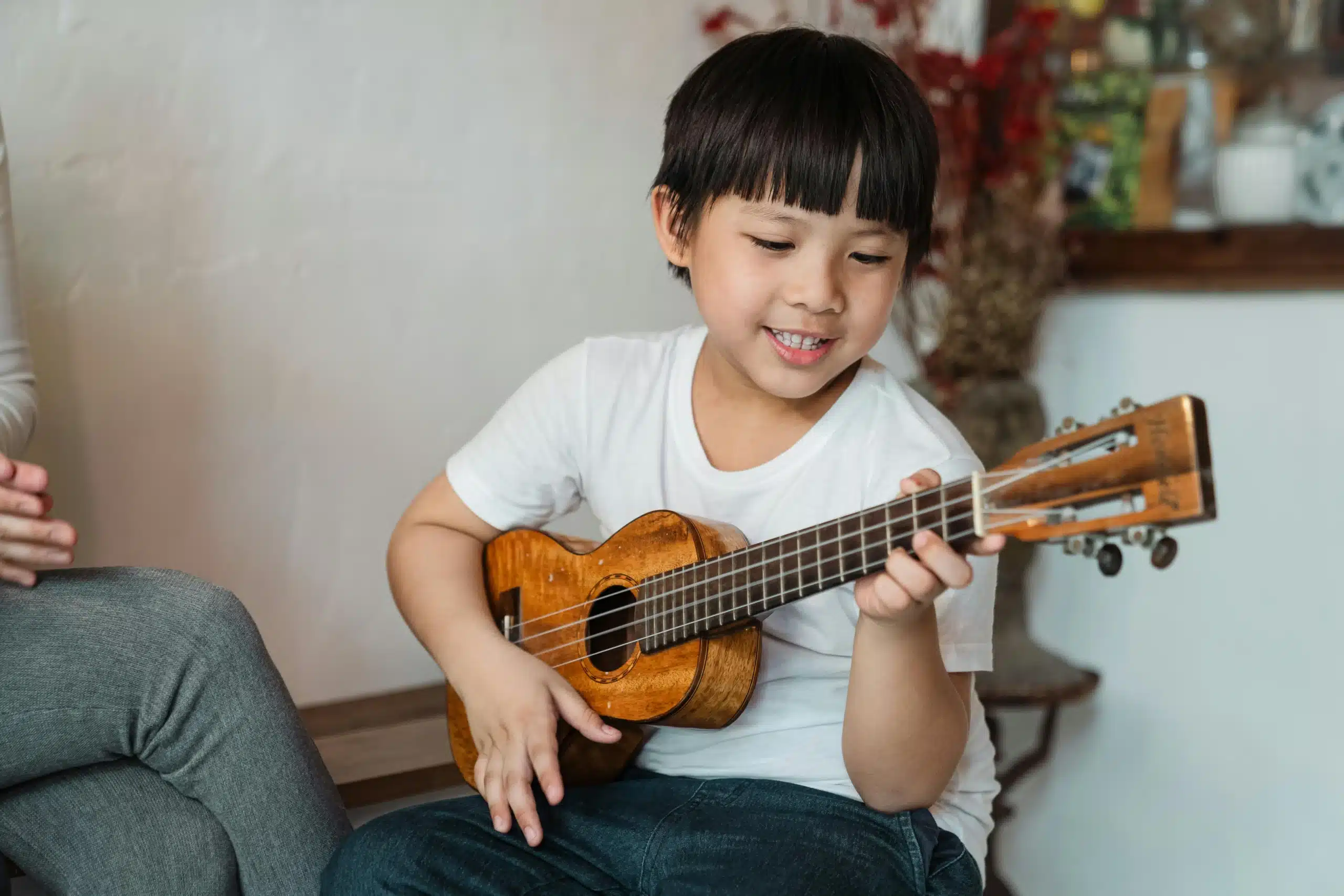
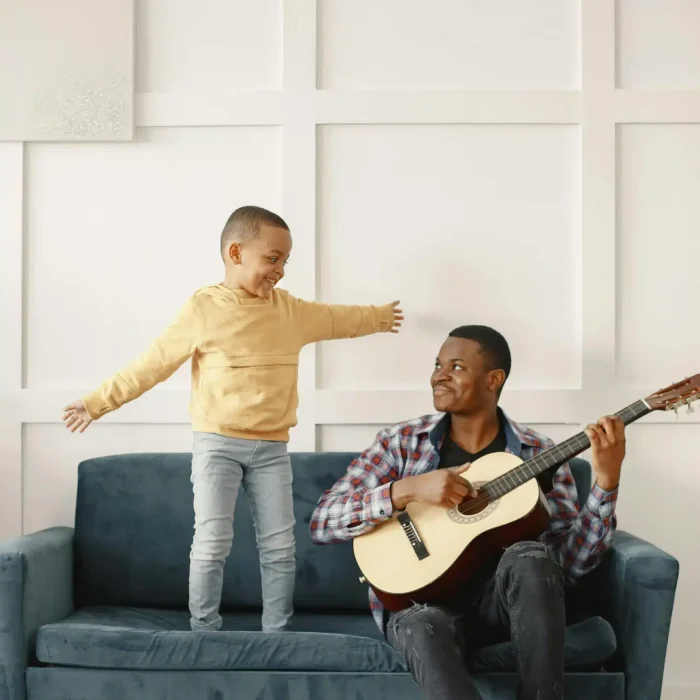
Trauma-Informed. Neurodiversity-Affirming. Child-Led.
Whether your child is navigating trauma, sensory overload, or big emotions they don’t understand, I offer a space that honors their whole experience—body, mind, and spirit.
As a music therapist with advanced training in trauma, EMDR, and somatic approaches, I support kids in building trust, safety, and regulation from the inside out.
This work isn’t about fixing or correcting—it’s about creating space for your child to feel seen, heard, and supported exactly as they are.
For Parents: You’re Doing Your Best—and You’re Not Alone.
If you’re reading this, you’re likely carrying a lot.
Maybe you’ve been dismissed by other providers. Maybe you’re walking on eggshells.
Maybe you just want someone to really see your child’s strengths, not just their struggles.
Here, I see you. I see your child.
And I believe healing can happen when we stop trying to make kids fit the mold—and instead create a space where they feel safe enough to grow in their own way.

Meet Our Team

Meet Wen Chang-Lit, MA, LCAT, MTBC, C-EMDR
Hi, I’m Wen
Thank you for being here. I’m Wen, an EMDR-certified therapist, licensed creative arts therapist, and musician. My work bridges the worlds of mind, body, and creativity.
I integrate EMDR, somatic practices, Internal Family Systems (IFS), and creative arts therapy. Whether I’m sitting with an adult processing trauma or in a circle with children making music, I’m always holding space for something real, pain, play, and the possibility of healing.
What I offer:
- Music and creative arts therapy for children ages 4 and up, in-person in Austin, TX
- Trauma-informed, neurodivergent-affirming support across a wide range of needs
- In-person sessions at 1701 Simond Ave, Austin, TX 78723
- Online therapy throughout Texas and New York State

Gabriel Lit, MA, MT-BC
Gabriel Lit is a board-certified music therapist specializing in neurodivergent individuals and early intervention. He brings a compassionate and individualized approach to each session, using rhythm, improvisation, and musical engagement to support sensory integration, emotional regulation, and communication in children.
- MA, Music Therapy (New York University)
- Board-Certified Music Therapist (MT-BC)
- Neurodivergent-affirming care specialist
If you’re ready to find a space that truly meets your child as they are, we’d love to connect.
A space where your child doesn’t have to explain—just express.
Music Therapy
Music meets children where they are. Through rhythm, melody, instrument play, and song, children can express emotions that feel too big or confusing for words. Sessions may include singing, playing simple instruments, musical improvisation, or creating songs together. No musical experience is needed, only curiosity and willingness to play.
What this looks like in sessions:
- Building emotional regulation through rhythm and repetition
- Using musical games to build rapport and social connection
- Creating songs or sound rituals to make transitions feel safer and more predictable
- Expressing feelings through instrument play without needing to explain them
- Supporting sensory integration through sound and movement
Creative Arts Therapy
Drawing, storytelling, and art-making offer children a language beyond words. Creative arts therapy gives children ways to express inner experiences through imagination and image, without needing to put difficult feelings into verbal form. Art-making also builds a quiet sense of agency and confidence that carries over into daily life.
What this looks like in sessions:
- Exploring feelings through drawing, painting, or collage
- Using storytelling and narrative play to process experiences
- Creating visual rituals for grounding and safety
- Using art and image to give shape to feelings that are hard to name
- Building a sense of agency and creative confidence
Somatic and Body-Based Approaches
Children hold experiences in their bodies long before they can describe them in words. Somatic approaches help children notice, name, and gently release what they are carrying physically. Over time, children build a felt sense of safety in their own bodies from the inside out.
What this looks like in sessions:
- Noticing body sensations connected to emotions
- Gentle movement and grounding activities
- Breathing and nervous system regulation tools
- Supporting sensory processing and integration
- Building awareness of the body as a resource, not a threat
Trauma-Informed and Neurodivergent-Affirming Care
Every child at this practice is supported through a trauma-informed and neurodivergent-affirming lens. Sessions are designed to honor the way your child’s nervous system works. The goal is not to make your child more manageable; it is to help them feel safe, seen, and more fully themselves.
What this looks like in sessions:
- Sensory-considerate space with no pressure to make eye contact or sit still
- Child-led pacing that follows your child’s cues throughout each session
- Strengths-based framing that sees the whole child, not only the challenges
- Specialized support for autistic, ADHD, sensory-seeking, and sensory-sensitive children
- Collaboration with parents and caregivers as part of the support process
Parent Collaboration
Parents and caregivers are a meaningful part of child therapy at Integrative Creative Therapy. While each session belongs to your child, staying connected as a parent helps the work carry forward into daily life at home. You do not need to be in the room, but you are always part of the process.
What this looks like in sessions:
- Regular parent check-ins to share observations and ask questions
- Guidance on how to support your child between sessions at home
- Collaborative goal-setting that reflects your family’s values and needs
- Communication that preserves your child’s sense of trust and safety
Creative Arts Therapy Approaches for Children in Austin, TX

What Child Therapy in Austin, TX Can Help With
Children come to therapy for many different reasons. Below are some of the experiences that bring families to Integrative Creative Therapy. If you don’t see your child’s situation listed here, please reach out.
Anxiety in Children
Emotional Dysregulation
Childhood Trauma
Grief and Loss
Children grieve, too. The loss of a grandparent, a pet, a friendship, or a familiar way of life can leave a child carrying something heavy and confusing. Music and creative expression can give grief a shape, helping children find ways to hold what they are missing while still being present in their own lives.
Behavioral Challenges
Behavior is communication. When children act out, it is often because they do not yet have the internal tools or the felt safety to express what they need in another way. Therapy helps children understand their own patterns and build more capacity from the inside, without shame or correction.
Neurodivergent Children
For autistic children, children with ADHD, and other neurodivergent children, the world can feel like it was built for someone else. Integrative Creative Therapy offers a space explicitly designed to affirm the way your child’s brain works. Music and creativity serve as bridges to connection, regulation, and self-expression.
School-Related Stress and Social Difficulties
School can be a significant source of stress for children navigating academic pressure, social challenges, or environments that don’t accommodate how they learn and relate. Therapy provides a space to process these experiences and build confidence and tools that carry over into daily life.
Frequently Asked Questions About Child and Adolescent Counseling in Austin, TX
What Is Therapy for Children?
What Child Therapy Is
Therapy for children is a professional mental health support service designed to help children navigate emotional, behavioral, social, and developmental challenges. Unlike adult therapy, child therapy rarely depends primarily on talking. Children process their experiences through play, creativity, movement, and relationships, and effective child therapy follows their lead.
At Integrative Creative Therapy in Austin, TX, therapy for children draws on music therapy, creative arts therapy, somatic approaches, and trauma-informed principles. Sessions are child-led, sensory-considerate, and designed to honor the whole child.
What a Child Therapist Does
A child therapist creates a safe, consistent relationship and a space where children can express what they are feeling, build regulation skills, and begin to process difficult experiences. At Integrative Creative Therapy, the therapist follows the child’s cues rather than directing from a fixed curriculum. Music, art, movement, and storytelling are used as the primary pathways into expression and healing.
What Child Therapy at Integrative Creative Therapy Looks Like
- Music and instrument play to support emotional regulation and connection
- Creative arts and storytelling to externalize inner experiences
- Somatic tools for nervous system regulation and grounding
- Trauma-informed, neurodivergent-affirming care throughout every session
- Parent communication and collaboration are built into the process
- No requirement to make eye contact, sit still, or talk about what is hard
Play Therapy and Expressive Techniques for Children
Play therapy and expressive techniques are forms of child therapy that use creative and sensory-based activity rather than direct verbal conversation as the primary pathway into healing.
At Integrative Creative Therapy, music therapy and creative arts therapy serve this function. Children engage through rhythm, instrument play, drawing, movement, and storytelling rather than being asked to explain or analyze their experiences.
This approach is rooted in the understanding that play and creative expression are the natural language of childhood, and that healing follows when children are met in that language rather than asked to translate into adult modes of communication.
What Issues Can Child Therapy Help With?
What Child Therapy Can Address
Therapy for children and counseling for kids can support a wide range of emotional, behavioral, and developmental challenges. The following are among the experiences that bring families to Integrative Creative Therapy in Austin, TX:
- Anxiety, worry, and fears that interfere with daily life or sleep
- Emotional dysregulation, meltdowns, and behavioral challenges
- Childhood trauma, including developmental, relational, and complex trauma
- Grief and loss from death, divorce, relocation, or significant life changes
- Neurodivergent challenges, including autism, ADHD, and sensory processing differences
- Low self-esteem, social difficulties, and peer relationship struggles
- School-related stress and transitions between grades or schools
- Family transitions such as divorce, a new sibling, adoption, or parental separation
Can Therapy Help With Anxiety or Behavior Problems?
Yes. Both childhood anxiety and behavioral challenges respond well to the creative and somatic approaches used at Integrative Creative Therapy. Children with anxiety often benefit from regulation tools, a sensory-considerate environment, and the felt experience of safety that music and creative arts therapy can provide consistently over time.
Behavioral challenges are approached differently here than in correction-focused models. When children act out, the underlying need is explored and addressed rather than the behavior being targeted directly. Parents often find that as children develop more internal regulation and self-expression, behavioral challenges begin to shift on their own.
Child Life Therapy and Family-Centered Care
Child life therapy is a specialized discipline offered in hospital and medical settings to help children cope with illness, procedures, and hospitalization. Integrative Creative Therapy does not provide child life services. Families seeking support for children navigating medical experiences are encouraged to connect with the child life team at their hospital or healthcare provider.
For families whose children are processing the emotional aftermath of a medical experience, surgery, illness, or extended hospitalization, music and creative arts therapy can offer meaningful support outside the clinical setting. These approaches help children process what they have been through in a way that honors the whole child, not just the medical event.
What Happens in a Child Therapy Session?
What Child Therapy Looks Like
Sessions at Integrative Creative Therapy are guided by your child’s needs and cues on any given day. There is no single format. A session might involve instrument play, drawing, movement, storytelling, or simply sitting together while music fills the room. Your child’s comfort and sense of agency always lead.
Sessions are typically 50 minutes. The space is sensory-considerate, with access to instruments and art materials. Children are never required to perform, explain, or produce a particular outcome.
What Kids Do in Therapy
- Sing, play instruments, or engage in musical improvisation
- Draw, paint, or create visual art as a form of expression
- Move, use rhythm, or engage the body to regulate the nervous system
- Tell stories or engage in narrative and imaginative play
- Learn gentle grounding and self-soothing tools in a low-pressure way
- Simply exist in a space that belongs entirely to them
Are Parents Involved in Child Therapy?
Yes. At Integrative Creative Therapy, parents and caregivers are a meaningful part of the therapeutic process. While sessions belong to your child, regular parent check-ins ensure you stay informed and connected. These check-ins offer guidance for the home environment and help align the work with what your family needs.
How Does Therapy for Children Work?
How Child Therapy Supports Children
Child therapy works by giving children a safe, consistent relationship and a creative space where they can express, process, and begin to integrate difficult experiences. At Integrative Creative Therapy, this happens through music, art, movement, and body-based tools rather than primarily through verbal conversation, which is often not the most accessible pathway for children.
How Does Counseling for Children Help?
Children often do not have the cognitive or verbal capacity to talk through what they are carrying in the way adults might. Music and creative arts therapy offer pathways into expression and processing that do not depend on language. Over time, children develop greater emotional literacy, stronger regulation capacity, and a felt sense of safety in their own bodies and relationships.
Parents also often notice changes in the home environment as therapy progresses: less reactivity, more flexibility with transitions, and a growing capacity to name what they are feeling rather than acting it out.
How Long Does Child Therapy Usually Last?
Session frequency and duration vary based on your child’s needs, goals, and pace. Most families begin with weekly sessions of 45 to 50 minutes. Some children benefit from a focused period of support over a few months. Others work toward longer-term goals across a year or more. This is always discussed openly and revisited as the work unfolds.
Tracking Your Child’s Therapy Progress
Progress in child therapy often shows up first at home before it shows up in sessions. Parents commonly notice their child is more flexible with transitions, quicker to recover after a difficult moment, more willing to name what they are feeling, or less likely to act out in situations that used to overwhelm them. These shifts are meaningful indicators that the work is landing.
At Integrative Creative Therapy, tracking progress is a collaborative process. Parent check-ins offer regular opportunities to share what you are noticing at home, ask questions, and adjust the direction of the work together. Progress is not always linear, and that is expected. What matters is the overall arc across time.
What Are the Signs My Child Might Need Therapy?
How to Know If Your Child Needs Therapy
There is no single sign that a child needs therapy, and you do not need to wait until things feel urgent. Some of the most common signs families notice before reaching out include the following:
- Persistent anxiety, worry, or fears that are hard to soothe or that worsen over time
- Meltdowns, shutdowns, or behavioral changes that feel out of proportion to what is happening
- Withdrawal from relationships, activities, or things they used to enjoy
- Sleep difficulties, stomach aches, or physical complaints with no clear medical cause
- Difficulty with transitions, changes in routine, or new situations
- Experiences of trauma, loss, or significant stress at home or at school
- Changes following a major family event such as divorce, relocation, or a new sibling
Do I Need a Diagnosis Before Starting?
No. You do not need a diagnosis or a crisis to reach out. If you notice your child struggling in ways that are affecting their daily life, their relationships, or their sense of themselves, that is enough. If you are unsure whether therapy is the right fit, a free 15-minute consultation is a good first step.
Warning Signs That May Indicate a Child Needs Support
- Self-harming behavior or expressions of not wanting to be here
- Sudden significant changes in mood, behavior, or school performance
- Prolonged grief or sadness that is interfering with daily functioning
- Escalating behavioral challenges affecting family relationships
- Significant regression, including loss of skills previously gained
Is Therapy for Children Effective?
Does Therapy Really Work for Children?
Yes. Creative arts therapy and music therapy are well-supported approaches for children’s emotional, behavioral, and developmental well-being. At Integrative Creative Therapy, sessions are grounded in trauma-informed and neurodivergent-affirming practices that meet children where they are, rather than expecting them to fit a standard model of how therapy should look.
What Type of Therapy Is Best for Children?
The best approach is one that fits the individual child, their age, temperament, needs, and way of experiencing the world. For children who struggle to express themselves verbally, who are neurodivergent, who have experienced trauma, or who are creative by nature, music and creative arts therapy often provide a more accessible and effective pathway than traditional talk therapy alone.
At Integrative Creative Therapy, the approach is flexible and child-led. Music therapy, creative arts therapy, somatic tools, and trauma-informed principles are woven together based on what your child needs on any given day.
What Are the Long-Term Benefits of Therapy for Children?
Children who receive consistent, attuned therapeutic support often develop greater emotional literacy, improved regulation, stronger relational capacity, and more confidence in expressing their inner world. These skills carry forward into adolescence and adulthood. Early support, particularly for children who have experienced trauma or who are navigating neurodivergent challenges, can meaningfully change the long-term trajectory of a child’s well-being.
Cognitive and Behavioral Therapies for Kids
Cognitive and behavioral therapies for kids, including cognitive behavioral therapy (CBT), focus on helping children identify and shift unhelpful thought and behavior patterns. Wen’s training includes a somatic approach to this work, which attends to how thoughts, emotions, and physical sensations are connected. Rather than addressing thinking patterns in isolation, sessions can draw on body-based awareness alongside cognitive and expressive tools, depending on what each child needs.
For children whose anxiety or emotional challenges have a strong cognitive component, this layered approach can offer meaningful support at multiple levels, combining the practical tools of cognitive and behavioral therapy with the creative and sensory pathways that make therapy genuinely accessible to children.
How Much Does Therapy for Children Cost in Austin, TX, and Do You Accept Insurance?
Understanding Therapy Pricing Structures
Price per Session:
- Indivisual Therapy: $250/60min and $200/45min.
- Group Therapy: $80 for a 75-minute session.
- Music therapy for individuals living with dementia and their caregivers: $55 per pair for a 75-minute session
Insurance:
Integrative Creative Therapy is an out-of-network practice. A superbill can be provided for clients who wish to seek reimbursement through their insurance provider.
Location
Mueller neighborhood, Austin, Texas.
Office Address:
1701 Simond Ave
Austin, TX 78723
Nearby Landmarks:
Mueller Lake Park or the Thinkery as my landmarks.
Therapy Options:
In-person creative arts and music therapy sessions in Austin, TX, and online therapy for clients throughout Texas and New York State.
How Do I Schedule a Child Therapy Appointment?
Scheduling and Initial Appointments
Getting started at Integrative Creative Therapy begins with a free 15-minute consultation. This is a low-pressure conversation to ask questions, share what is happening for your child, and explore whether this is the right fit. Once you are ready to move forward, your intake session is typically scheduled within a week. You can book directly through the website or by calling (737) 307-1853.
Do You Offer Online Therapy for Children in Texas or New York?
Online Child Therapy in Texas and New York
Yes. Integrative Creative Therapy offers online therapy for children throughout Texas and New York State. Virtual sessions follow the same child-led, music, and creative arts therapy approach as in-person sessions. Online therapy can be a good option for families managing busy schedules, travel distances, or children who are more comfortable in their home environment.
Wen Chang-Lit provides online therapy for children in both Texas and New York, working across a wide range of emotional, behavioral, and developmental needs, including anxiety, emotional dysregulation, trauma, and neurodivergent challenges.
Do You Offer In-Person Therapy for Children Near Me?
Yes. In-person child therapy is available at 1701 Simond Ave, Austin, TX 78723, in the Mueller neighborhood of Austin. Sessions are offered for children ages 4 and up with Wen Chang-Lit, MA, LCAT, MTBC, C-EMDR. If you are searching for therapy for children near me in Austin, TX, please reach out to confirm availability and schedule a free 15-minute consultation.


Child Therapy With a Licensed Creative Arts Therapist
Let’s begin with a simple step.
If your child is struggling—and you’re looking for a creative, neurodiversity-affirming, trauma-informed approach—I’d be honored to walk alongside you.
- In-person sessions in Austin, Texas
- No music skills needed—just curiosity and care