Neurodivergent-Affirming Anxiety Therapists in Austin, TX
Integrative Creative Therapy




We understand how overwhelming it can feel to navigate anxiety or depression. At Integrative Creative Therapy in Austin, TX, we provide a supportive space to explore these challenges using trauma-informed and neurodivergent-affirming Creative Arts and Music Therapy. We also offer online services throughout Texas and New York so you can access our care wherever you are.
Our goal is to help you reconnect with your natural strengths and abilities. By tapping into creative expressions—through music, art, and movement—we uncover new paths to healing that may feel more liberating than traditional talk therapy. Whether you’re in Austin or beyond, we’re committed to helping you unburden past pain, find new ways to manage stress, and move toward a more authentic life.
What It Feels Like to Live With Anxiety
When Your Mind Won't Quiet and Your Body Won't Rest
There’s a kind of exhaustion that comes from carrying anxiety that no one else can see. The mind runs constantly, scanning for threats, rehearsing conversations, bracing for things that haven’t happened yet. Sleep slips away. Relaxation feels out of reach. Even moments that should feel safe carry an undercurrent of unease that never fully quiets.
What most people want is to feel grounded in their own life again, to make decisions without second-guessing everything, and to be present with the people they care about. Working with therapists who use creative, somatic approaches helps build that steadiness by engaging the nervous system rather than fighting it.



Our Trauma-Informed, Neurodivergent-Affirming Approach
We believe genuine healing happens when you feel seen, heard, and accepted. Our team is committed to providing therapy that respects the unique experiences of each individual. This means we tailor our sessions to meet your specific needs, particularly if you identify as neurodivergent or have experienced trauma in the past.
We work from a place of deep empathy, recognizing how anxiety and depression often stem from unresolved pain or unmet needs. Our approach integrates evidence-based techniques such as EMDR, IFS and somatic practices with Creative Arts Therapy. We engage the mind and body together, creating a path forward that goes beyond surface-level coping strategies.

You Don't Need to Have It All Figured Out to Start
Anxiety therapy may be a good fit if any of these feel familiar:
- Racing thoughts that won't quiet, especially at night or during transitions
- Physical tension that settles in your chest, shoulders, or jaw without a clear cause
- Avoiding situations because the anticipation feels worse than the event itself
- Second-guessing decisions or replaying conversations to catch what went wrong
- Feeling on edge even when life looks calm from the outside
- Struggling to be present because your mind is already three steps ahead
- Needing everything planned and controlled to feel safe
- Noticing that worry affects relationships, work, or the ability to rest
Who Anxiety Therapy Is For
Finding Steadiness in the Uncertainty
- Constant mental noise that makes rest feel impossible
- Physical tension that shows up as headaches, jaw clenching, or shallow breathing
- Avoiding plans or situations because the anticipation feels overwhelming
- Replaying interactions and worrying about how others might respond
- Sleep is disrupted by racing thoughts or waking up already anxious
Before Anxiety Therapy
- Recognizing anxiety patterns early and interrupting them before they spiral
- Feeling more grounded in the body rather than stuck in the head
- Making decisions without endless second-guessing
- Sleeping more deeply because the nervous system knows how to downshift
- Engaging in relationships and activities without constant mental monitoring
After Anxiety Therapy

Music Therapy Groups for Teens with Anxiety
Teens experiencing anxiety often need a community where they can feel understood. We offer a Music Therapy Group for Anxious Teens, designed to foster healthy coping skills in a supportive environment. This group is ideal for those who struggle with social stress, panic attacks, or racing thoughts.
We also facilitate an Emotional Regulation through Music Group for teens, focusing on effective ways to manage overwhelming emotions. Both groups combine music-based activities with open discussions and gentle guidance. Whether you’re looking for a group for teens with anxiety or seeking new ways to boost emotional resilience, these sessions provide a creative outlet and a safe space to grow.
Creative Anxiety Counseling for Teens in Austin
About Integrative Creative Therapy
At Integrative Creative Therapy, we go beyond traditional approaches by engaging you cognitively, somatically, emotionally, and creatively. Our role isn’t to fix you. We help you unburden past pain, expand your emotional capacity, and connect to your healthy core (the Self-Energy). This often involves exploring art, music, and movement to reach parts of the self that words alone can’t touch.
Our practice is grounded in more than 20 years of combined experience and training in trauma and neurodivergence-informed care. We use evidence-based methods like EMDR , IFS, somatic work, and Creative Arts Therapy to help clients of all ages. Healing occurs when you feel safe, seen, and accepted. We’re honored to create a space where that healing can unfold.

Neurodivergent-Affirming Creative Therapy for Anxiety
How Anxiety Treatment Works at Integrative Creative Therapy
We Help You Understand What's Underneath the Anxiety
Anxiety therapy here gives you a structured, compassionate space to explore what’s fueling the worry and why your body responds the way it does. As therapists specializing in anxiety, we move at a pace that feels safe, focusing on what’s happening in your life right now.
We help you:
- Identify the patterns and nervous system responses keeping you on high alert
- Use music, art, and somatic tools to regulate in real time
- Interrupt anxiety spirals before they take over
- Build a steadier relationship with uncertainty over time
- Respond to stress with more clarity and less exhaustion

When Anxiety Lives in Your Mind and Body
Anxiety affects how your nervous system regulates, how your mind processes information, and how your body holds tension. Racing thoughts, constant vigilance, physical restlessness, and overwhelming emotions often arrive together, creating exhaustion that others might not see.
Racing Thoughts and Mental Overwhelm
Many people with anxiety describe their minds as never fully quiet. Thoughts jump from one worry to the next without pause. Your brain rehearses conversations that haven’t happened, replays moments from the past, and creates worst-case scenarios for the future. This mental noise makes rest difficult and quiet moments uncomfortable. The exhaustion isn’t from activity but from your mind’s relentless movement.
Physical Tension and Nervous System Activation
Anxiety doesn’t just live in your mind. It settles into your body as tension in your shoulders, tightness in your chest, shallow breathing, or jaw clenching. Your nervous system stays activated, scanning for threats even when you’re safe. This constant state of alert creates physical exhaustion, headaches, digestive issues, and difficulty sleeping.
Constant Vigilance and Hyperawareness
With anxiety, attention is always split. Part of you is engaged in the present moment, while another part monitors everything around you for signs of danger or judgment. You track facial expressions, analyze tone of voice, and replay interactions to catch what you might have missed. This hyperawareness is exhausting and makes it hard to be fully present in relationships or activities.
Emotional Intensity and Quick Overwhelm
Emotions with anxiety arrive fast and feel big. Small setbacks trigger disproportionate worry. Uncertainty creates panic. Criticism hits harder than it would for others. Mood shifts happen quickly, sometimes without clear triggers, making emotional regulation challenging.
How Anxiety and Depression Show Up Emotionally and Physically


When Anxiety Gets in the Way of Connection and Functioning
Avoidance and Safety-Seeking Behaviors
Decision Paralysis and Overthinking
Social Anxiety and Relationship Strain
Anxiety affects how you show up in relationships. You might overanalyze interactions, worry about being judged, or withdraw when the connection feels too vulnerable. Conversations replay in your mind as you search for what you said wrong. You might apologize excessively or avoid conflict entirely to keep others from being upset.
Perfectionism and Fear of Failure
Anxiety and perfectionism often go together. You set impossibly high standards to avoid criticism or failure. Mistakes feel catastrophic rather than normal. You overwork, overplan, and overprepare to prevent anything from going wrong. The constant pressure becomes exhausting and unsustainable.
How Anxiety Affects Daily Life and Relationships

Begin Your Journey with Integrative Creative Therapy
When you’re ready to explore a new way of working with anxiety, we’re here to help. Our practice is rooted in the understanding that you already have what it takes to heal. We simply provide the supportive framework and creative tools that help you uncover your inner strengths.
If you live in Austin, TX, or anywhere in Texas or New York, we invite you to reach out to us at Integrative Creative Therapy. Call us at (737) 307-1853 to schedule a consultation or learn more about our online sessions. We look forward to walking alongside you on your healing journey, empowering you to live with more vitality, flow, and joy.
Music Therapists Specializing in Anxiety Support
Therapists Specializing in Anxiety Support
Meet Our Team

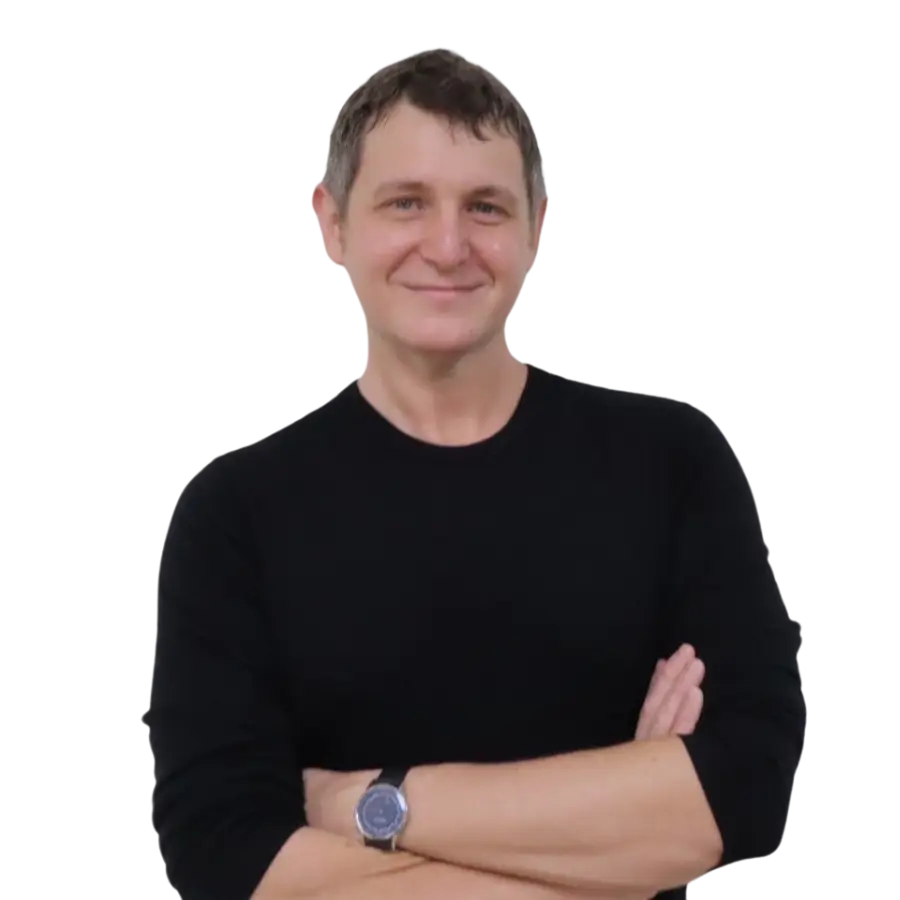
Wen Chang-Lit specializes in trauma-informed creative therapy and helping people connect to their authentic selves through music, art, and somatic approaches.
- Board-Certified Music Therapist (MT-BC)
- Licensed Creative Arts Therapist (NY)
- EMDR Certified Therapist
- Somatic Experiencing and IFS trained
- MA, Music Therapy (New York University)
- Board-Certified Music Therapist (MT-BC)
- Neurodivergent-affirming care specialist
- Early intervention and pediatric services
Where We're Located
Our office is located in the Mueller Community in Austin, easily accessible from Downtown, University Hill, and Westcott. We’re near the Thinkery at 1830 Simond Ave, with convenient access via CapMetro Commuter Rail and Buses. Parking is available at the McBee District Parking Garage and on-street metered spots managed by the East Austin Parking and Transportation Management District.
While our office is in Austin, we also provide online services throughout Texas and New York, making compassionate anxiety support accessible wherever you are. Explore the areas we serve to see if we’re accessible to you.
Our Mueller Community Location
Frequently Asked Questions About Anxiety Therapy
What Does Extreme Anxiety Feel Like?
Extreme anxiety can feel like your nervous system is stuck in survival mode—your body is reacting as if danger is present, even when you’re safe.
How Extreme Anxiety Manifests in the Body
Physical symptoms often arrive first.
Common Physical Symptoms
- Heart pounding or racing
- Chest tightness or shallow breathing
- Trembling or shaking
- Sweating, chills, or hot flashes
- Nausea or digestive distress
- Dizziness or feeling faint
How Extreme Anxiety Affects Your Mind
Mentally, anxiety can create a sense of urgency and impending doom.
Common Cognitive Symptoms
- Racing thoughts and catastrophic “what ifs.”
- Hypervigilance and constant scanning
- Fear of losing control
- Difficulty focusing or making decisions
What Are 5 Signs You Have Anxiety?
Anxiety doesn’t always show up as panic; it looks like patterns that quietly shape your day-to-day life.
Sign 1: Constant Mental Activity
Your mind doesn’t “shut off,” especially at night.
Sign 2: Physical Tension You Can’t Release
Anxiety can live in your shoulders, jaw, chest, and breath.
Sign 3: Avoidance and Safety Behaviors
You avoid uncertainty, certain places, or certain conversations.
Sign 4: Difficulty Being Present
Part of you is always monitoring for threat, judgment, or conflict.
Sign 5: Disproportionate Worry About the Future
Small events trigger big fear and planning spirals.
If these feel familiar, support through Individual Therapy in Austin, TX can help you understand patterns and build regulation.
Types of Anxiety Disorders Treated
Anxiety disorders include several clinical categories. Even if you don’t identify with a diagnosis, these terms can help you name what you’re experiencing.
Panic Disorder (and Panic Attacks)
Panic disorder involves recurrent panic attacks and worry about having another.
Obsessive-Compulsive Disorder (OCD)
OCD includes intrusive thoughts and compulsive behaviors meant to reduce anxiety.
Specific Phobias
Phobias involve intense fear responses to specific triggers (situations, sensations, animals, medical procedures, etc.).
Social Anxiety Disorder
Social anxiety involves fear of judgment, embarrassment, or scrutiny in social situations.
When your experience overlaps multiple categories, therapy can still be tailored to you.
What Is High Functioning Anxiety?
High-functioning anxiety is when you appear “fine” on the outside but feel tense, pressured, and over-responsible on the inside.
What It Looks Like Externally
- High achievement and follow-through
- People-pleasing and over-preparing
- Perfectionism that looks like “being on top of things.”
What It Feels Like Internally
- Constant overthinking and second-guessing
- Fear of failure and difficulty resting
- Chronic tension and exhaustion
Cognitive Behavioral Therapy for Anxiety
CBT (Cognitive Behavioral Therapy) is a widely used, evidence-based approach for anxiety that focuses on thoughts, behaviors, and patterns that reinforce fear.
How CBT Is Applied to Anxiety
CBT helps you identify unhelpful thinking loops and build new coping behaviors.
Common CBT Targets
- Catastrophizing
- Avoidance
- Reassurance-seeking
- Safety behaviors
Music Therapy vs CBT for Anxiety
Different approaches support different nervous systems.
CBT Often Helps With
- Thought patterns and behavioral experiments
- Skills practice and exposure planning
Music Therapy and Creative Integration Often Helps With
- Nervous system regulation through rhythm, breath, sound, and movement
- Accessing emotions when words feel stuck
- Building felt safety (not just “logical reassurance”)
What are some Mindfulness-Based strategies for Anxiety Relief?
Mindfulness helps reduce anxiety by training attention to return to the present moment, without fighting your thoughts.
How Mindfulness Helps Anxiety
Mindfulness supports the nervous system settling and reduces the spiral of future-based worry.
Examples of Mindfulness Tools
- Noticing breath and body sensations
- Labeling thoughts as “thoughts” (not facts)
- Orienting to the room (sight, sound, temperature)
- Practicing acceptance of internal experience
Mindfulness can be integrated into therapy alongside somatic and creative tools through Therapy for Anxiety in Austin.
What are some specialized Phobia Treatments?
Specific phobias are intense fear responses tied to particular triggers. Treatment often focuses on reducing avoidance and increasing safety in the body.
Specific Phobias and Anxiety
Phobias can involve strong physical symptoms, panic responses, and life-limiting avoidance.
Emetophobia (Fear of Vomiting)
Emetophobia is a specific phobia that can lead to food restriction, avoidance of travel/social events, and constant monitoring of sensations.
Common Supports for Phobias
- Gradual exposure principles (when appropriate)
- Nervous system regulation
- Body-based and creative resourcing to build tolerance for sensation
If you’re unsure whether your fear qualifies as a phobia, starting with an assessment can help; see FAQ #12 below.
Is It Worth Seeing a Therapist for Anxiety?
Yes. Anxiety therapy can help you understand what’s driving the pattern and build regulation tools that are hard to create alone.
What Therapy Can Offer
- Structured support and nervous system regulation
- Tools for interrupting spirals and avoidance
- Space to process underlying stressors and past experiences
What are some anxiety treatment approaches in Austin?
Austin therapy practices use a range of approaches for anxiety; what matters most is fit and nervous system safety.
Evidence-Based Methods Commonly Used for Anxiety
These are approaches you may see discussed in anxiety treatment broadly.
Common Approaches
- CBT
- Mindfulness-based strategies
- Somatic therapy
- Exposure principles (especially for phobias/panic)
Our Approach: Creative Integration
At Integrative Creative Therapy, we emphasize trauma-informed, neurodivergent-affirming creative integration and nervous system regulation.
What is LGBTQIA+ affirming anxiety treatment?
For many LGBTQIA+ clients, anxiety isn’t just internal—it’s shaped by safety, belonging, identity stress, and past invalidation.
What Affirming Care Includes
- Nonjudgmental, identity-respecting support
- Understanding minority stress and internalized shame
- A collaborative pace that centers safety and consent
Affirming care is part of our values and therapeutic environment.
What are group and online therapy options?
Some people heal best with community support; others need privacy and flexibility. Both can be effective depending on your needs.
- Group Therapy Options
- Groups can reduce isolation and build coping skills in a shared space.
- Online Therapy Options (Teletherapy)
- Online therapy supports consistency and access when scheduling or location is a barrier.
- Where We Serve
- Austin in-person options and online sessions across regions
What is Initial Assessment and Treatment Planning for Anxiety?
An initial assessment helps clarify what type of anxiety you’re experiencing and what support will be most helpful.
What to Expect in an Initial Anxiety Assessment
You can expect collaborative questions about symptoms, triggers, history, and goals.
Common Assessment Topics
- Anxiety symptoms and body responses
- Avoidance patterns
- Sleep, stress load, and nervous system activation
- What has/hasn’t helped before
How Treatment Planning Works
Treatment planning is personalized based on your needs and pace. A common starting point is Individual Therapy.
Is anxiety therapy different for different age groups?
Anxiety can look different across life stages, so care should match the person, not just the label.
- Anxiety Therapy for Teens
- Teens often need regulation tools, identity support, and a safe space that doesn’t shame their coping.
- Anxiety Support for Children
- Children often express anxiety through behavior, body symptoms, or school avoidance.
- Anxiety Therapy for Adults
- Adults often experience anxiety through burnout, overthinking, perfectionism, or relationship strain.
How to Schedule an Appointment and Location Information?
Getting started should feel clear and accessible. If you’re considering therapy, the next step is simply to schedule an appointment.
How to Schedule an Appointment
You can schedule an appointment based on what feels easiest for you.
Common Next Steps People Take
- Schedule an appointment
- Book an appointment
- Book appointment
- Make an appointment
- Make appointment
- Scheduling an appointment
- Schedule appointment
Where We’re Located + Online Options
We offer in-person sessions in Austin and online services across Texas and New York.
What Type of Therapist Do You Go to for Anxiety?
The “right” therapist is the one whose training, approach, and presence help your nervous system feel safe enough to change.
Credentials You May See
- Licensed mental health clinicians
- Board-certified music therapists
- Specialized training in trauma-informed and somatic care
How to Choose the Right Fit
During a consult, ask about:
- Experience with anxiety symptoms like panic, phobias, or overthinking
- How do they support nervous system regulation?
- Whether they offer creative integration approaches
If you are interested to learn more about Wen’s credentials and approach, visit her about page, Wen Chang-Lit.
Integrative Music Therapy vs Cognitive Behavioral Therapy (CBT) for Anxiety
Both Integrative Music Therapy and Cognitive Behavioral Therapy (CBT) are used in anxiety treatment, but they work through different pathways in the brain and nervous system.
Cognitive Behavioral Therapy (CBT) for Anxiety?
Cognitive Behavioral Therapy (CBT) is an evidence-based treatment that focuses on identifying and changing anxious thought patterns and behaviors.
CBT for Anxiety Often Focuses On:
- Challenging catastrophic thinking
- Reducing avoidance behaviors
- Exposure therapy for phobias or panic disorder
- Developing coping statements
- Behavioral experiments
CBT is widely used in Austin therapy practices and is considered a gold-standard approach for anxiety disorders.