
Your Body Holds What Your Mind Has Been Trying To Move Past.

You Feel It In Your Chest, Your Jaw, Your Shoulders.
You notice emotions before you can name them. You carry tension in your body that doesn’t match the moment you’re in. The same thoughts keep looping, and nothing really settles. You’ve tried to think your way through it, but the tightness, the overwhelm, the restlessness remain. A lot of this isn’t happening just in your thoughts. It’s living in your body. Your mind might understand what happened, but your body is still braced for impact.




This approach resonates most with adults who:


We guide you through a process that helps you gently access what your body has been holding. We move at a pace that feels safe, using creative expression and somatic awareness to reach emotions, memories, and patterns that live beneath conscious thought.
What this looks like in sessions:
Meet Our Team



We draw from several trauma-informed, evidence-based modalities to meet you where you are. Each approach supports your nervous system in releasing what’s been held and helps you reconnect with your authentic self. Here’s how these methods show up in sessions:
EMDR is an evidence-based trauma treatment that helps your brain reprocess memories that have been stored as fragmented, emotionally charged experiences. When trauma happens, your nervous system can’t complete the natural processing cycle. EMDR uses bilateral stimulation (eye movements, tapping, or auditory cues) to help your brain finish what it started, so memories become less activating, and your body can finally let go of the hypervigilance.
What this looks like in sessions:
Somatic therapy recognizes that your body holds trauma even when your conscious mind has moved on. Through gentle attention to body sensations, breath, and movement, somatic practices help you release stored tension and regulate your nervous system. This isn’t about forcing your body to relax. It’s about learning to listen to what your body is telling you and permitting it to complete the responses it couldn’t finish when the trauma occurred.
What this looks like in sessions:
Music activates more areas of your brain simultaneously than almost any other activity. It bypasses the limitations of language and accesses emotions, memories, and body responses directly. In sessions, we might use music therapy to help you ground, regulate, express what words can’t reach, or process trauma in a way that feels less overwhelming. Music therapy is especially powerful for people who feel stuck in their heads or disconnected from their emotions.
What this looks like in sessions:
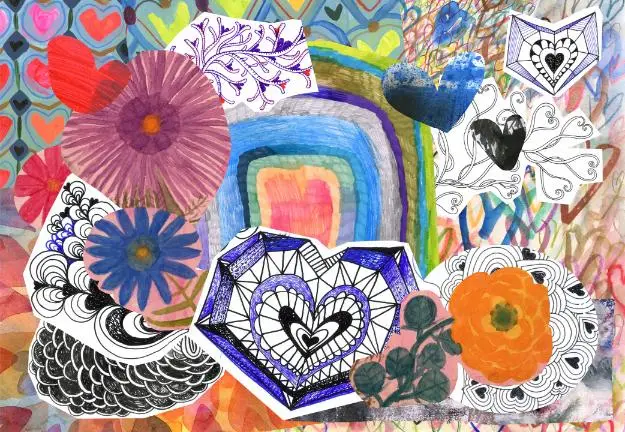
Expressive arts therapy invites you to externalize your internal world through drawing, painting, collage, movement, or other creative forms. This isn’t about making something aesthetically pleasing. It’s about giving shape to emotions, parts, or experiences that feel too big or too vague to articulate in words. Creative expression creates distance from overwhelming feelings while still allowing you to engage with them safely.
What this looks like in sessions:

It’s normal to feel nervous before your first session. We approach the first session as a conversation, not an evaluation. We’ll talk about what brought you here, what you’re hoping will shift, and how your body has been carrying what your mind can’t quite process. We’ll ask about your history, but we won’t push you to share more than feels safe.
What happens in the first session:

Integrative Creative Therapy is an out-of-network practice. A superbill can be provided for clients who wish to seek reimbursement through their insurance provider.
Mueller neighborhood, Austin, Texas.
Office Address:
1701 Simond Ave
Austin, TX 78723
Mueller Lake Park or the Thinkery as my landmarks.
In-person creative arts and music therapy sessions in Austin, TX, and online therapy for clients throughout Texas and New York State.


It Can Start To Feel Different From Here.